
Protection Beyond Myths
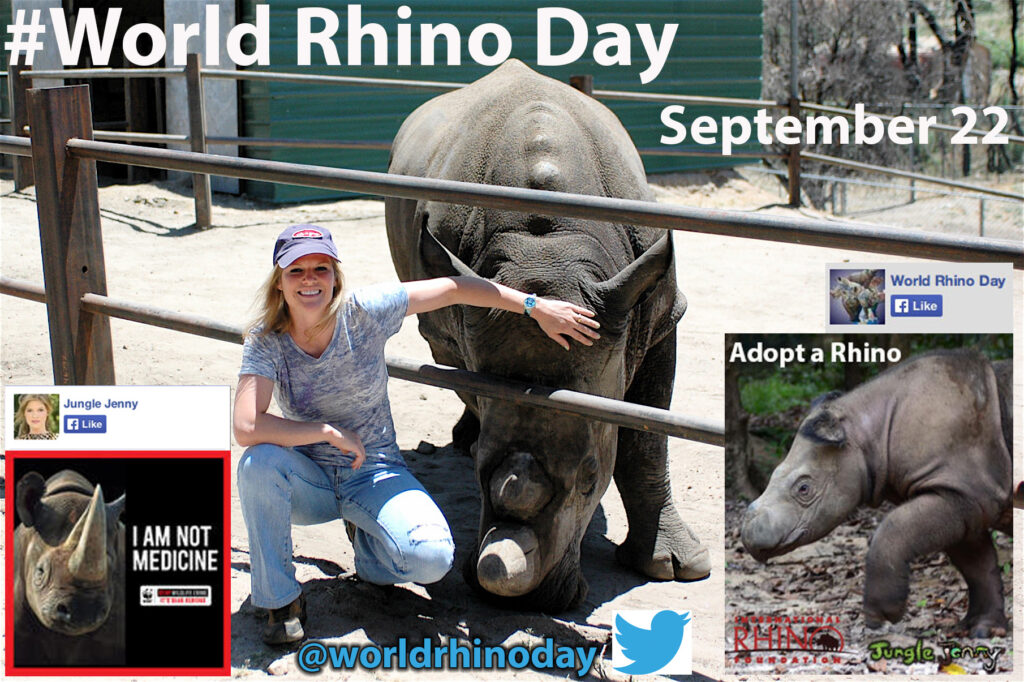
About World Rhino Day
World Rhino Day is not about admiration or symbolism. It is about confronting the reality that rhinos continue to be killed for a myth one that has no basis in medicine, science, or tradition.
Across Africa and Asia, five rhino species remain under constant threat from poaching driven by misinformation, illegal trade, and demand rooted in belief rather than truth. Protection begins not with fascination, but with education, enforcement, and the willingness to challenge long-standing myths that continue to cost lives.
Observation
Observed through conservation education and field awareness
Encounters with rhinos whether in sanctuaries, reserves, or protected environments carry weight. These animals move slowly, deliberately, and with a presence that reflects both strength and vulnerability. What becomes clear in proximity is not power, but fragility.
Rhinos do not survive on resilience alone. Their future depends on human restraint, protection of habitat, and the elimination of demand that treats living beings as commodities.
FOR YOUR AWARENESS
Rhino horn has no medicinal value. It is made of keratin the same material as human fingernails.
Continued poaching is driven by misinformation, illegal wildlife trade, and cultural myths that persist despite decades of scientific evidence to the contrary. Education is one of the most effective tools in reducing demand and protecting remaining populations.
Rhino Conservation Snapshot
- Five species of rhino remain worldwide: Black, White, Greater One-Horned, Sumatran, and Javan
- South Africa is home to approximately 83% of Africa’s remaining rhinos
- Poaching escalated dramatically after 2006, driven by illegal horn markets
- Habitat loss and fragmentation compound poaching pressure
- Long-term conservation success depends on law enforcement, education, and demand reduction
These realities reflect both urgency and opportunity. Protection works—but only when sustained and supported.
Looking Back / Looking Forward
Looking Back
Rhinos have long symbolized strength, endurance, and ancient lineage. For centuries, they have shaped ecosystems through grazing and movement, influencing landscapes far beyond their size.
Looking Forward
Their survival now depends on education, enforcement, and eliminating demand fueled by false beliefs. The future of rhinos will be decided not by admiration, but by action.
Why This Still Matters
Rhinos are ecosystem engineers. Their disappearance alters grasslands, water access, and the balance of entire environments.
Protecting rhinos means protecting living systems, not just a single species. Their survival reflects our ability to choose truth over myth and responsibility over exploitation.
Protecting rhinos is inseparable from protecting the landscapes they shape, a truth recognized each year on World Habitat Day and reflected in every ecosystem they help sustain.
Ways to Help
Support rhino conservation organizations and accredited sanctuaries
Contribute to anti-poaching and habitat protection initiatives
Help stop wildlife crime by supporting petitions and policy efforts
Share accurate information to counter myths about rhino horn
Engage in conservation-focused education year-round, not only on awareness days
Closing Reflection
Protection begins when myth ends.
Truth, education, and long-term commitment remain the most powerful tools we have to ensure rhinos continue to exist not as symbols, but as living beings shaping the landscapes they belong to.